By -Novus- · Published · Updated
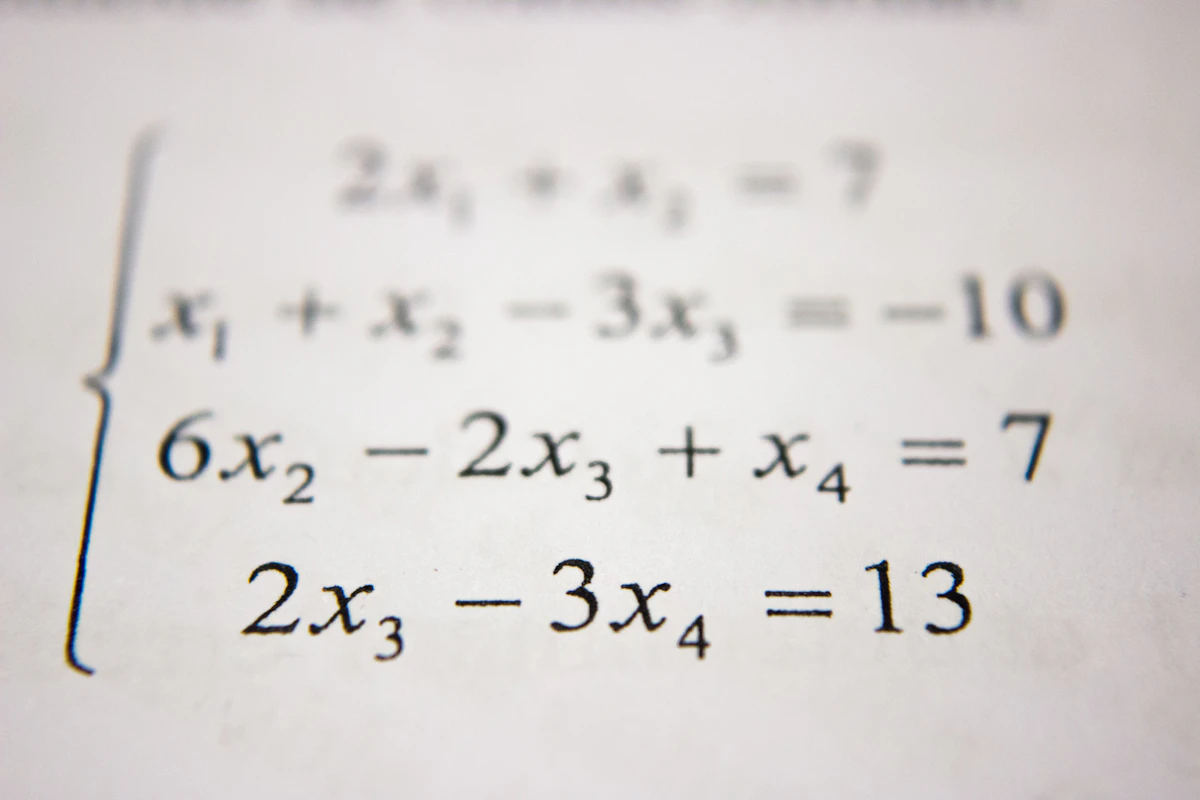
11+ maths tests speed and logic, not just knowledge. The strategies I used to stay fast and accurate under pressure.
If you’re preparing for the 11+, you should know that the Math paper isn't just about testing what you learn in primary school—it’s about testing how fast, logical, and flexible your brain can be when the pressure is on.
Some questions look totally straightforward, while others feel like impossible riddles designed to throw you off. But don't worry! Math is actually the easiest section to score high in once you master a few key strategies.
Here are my top casual tips for conquering 11+ Math without stressing out!
1. Get the Core 4 Down to Muscle Memory
Speed is everything in 11+ Math. If you’re spending 10 seconds figuring out 7 x 8 or adding fractions in your head, you’re losing precious time for the harder word problems at the back of the paper.
Make sure these basics are automatic:
Times Tables (up to 12x12): You should know them instantly without counting up.
Fraction/Decimal/Percentage Equivalents: Know by heart that 3/4 = 0.75 = 75% or 1/8 = 0.125 = 12.5%.
Square Numbers: Know 1^2 through 15^2 off the top of your head.
2. Underline Keywords in Word Problems
Word problems are sneaky. They love to throw in extra numbers you don't need, or hide the actual question right at the end.
Tip: Always grab a pencil and underline the action words and the units.
For example, if a question says: Maya has 3 bags of 8 marbles. She gives 5 marbles to her brother. How many marbles does she have left? Underline 3 bags of 8, gives 5, and left. This stops you from accidentally answering how many did she give away? or how many did she start with?.
3. Don't Do Everything in Your Head!
It’s super tempting to try and work out sums mentally to save time, but mental math is where silly mistakes happen (like 13 - 7 = 5 we've all done it).
Always write down your working out on the rough paper, even for simple steps.
If you make a mistake halfway through a multi-step question, having your working written down makes it 10x easier to spot where you went wrong.
Plus, in some papers, you can actually get working marks even if your final answer is slightly off!
4. Master thy Art of Estimation
Before doing a long long-multiplication sum or big division problem, quickly estimate what the answer should be in your head.
For example, if the question is 49 x 21:
Round it in your head to 50 x 20 = 1000.
Now you know your final answer needs to be somewhere close to 1000!
If you finish your working out and get 10,290 or 102.9, you instantly know a decimal point or zero slipped out of place.
5. The N2M Rule: Next 2 Minutes
If you hit a massive 3-step geometry or algebra question that makes your brain freeze, do not spend 5 minutes staring at it.
1. Circle the question number clearly.
2. Make a fast, logical guess on the answer sheet (never leave a blank).
3. Move on to collect all the easy points on the rest of the paper.
4. Come back to your circled questions at the end with whatever time you have left.
What’s your ultimate math Topic? Algebra, fractions, or Venn diagram questions? Drop a comment below!