By -Novus- · Published · Updated
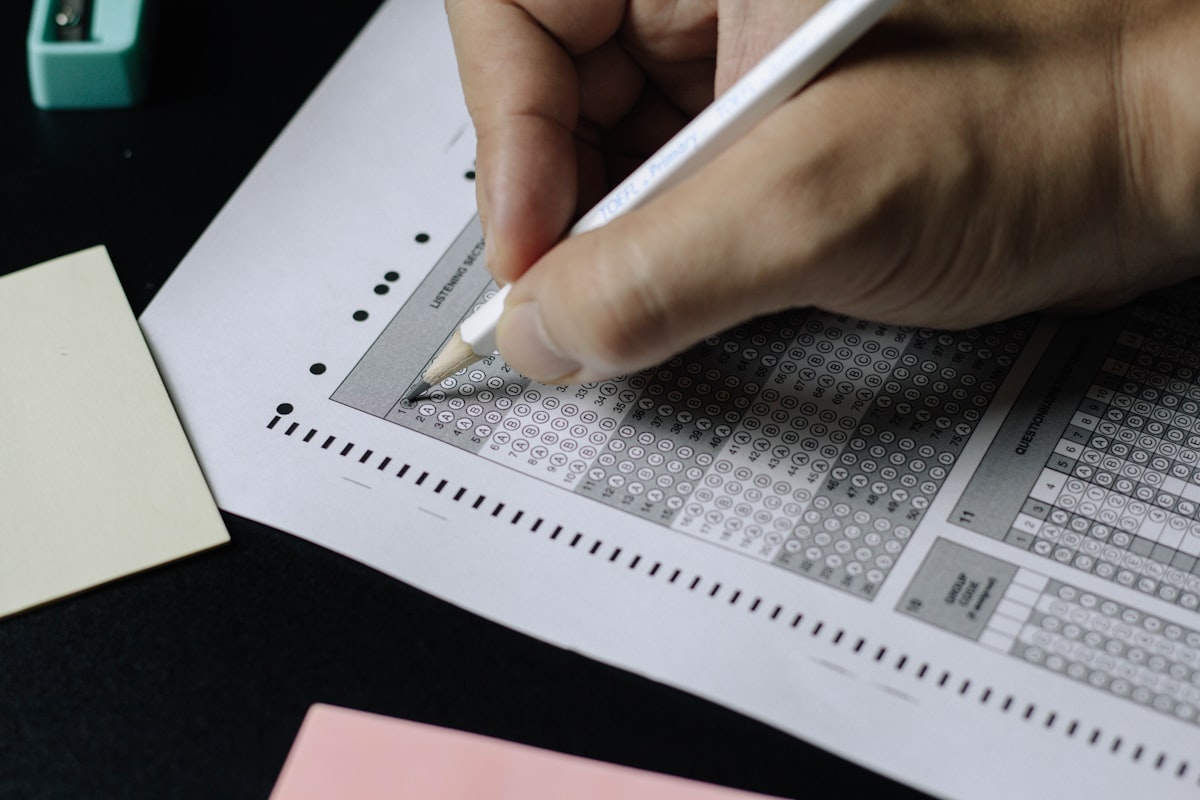
Independence is the skill Year 8 is really teaching.
In Year 7 you are chased. From Year 8 onwards, less so.
Do the thing before the reminder
Remember those times in Year 7 when teachers were practically breathing down your neck about homework or revising for a test? You’d get multiple warnings, follow-up emails to your parents, and probably a stern talking to in form time. In Year 8, that hand-holding starts to disappear, and it’s up to you to get things done without a constant nudge.
Doing your work, whether it’s a maths assignment or learning those French vocab words, before anyone has to remind you makes a massive difference. You avoid that last-minute panic and the mad dash to finish, which always makes the task feel like a chore. Plus, teachers definitely notice when you’re on the ball and handing things in on time, every time, without them having to chase you. It builds trust and shows you're taking your studies seriously.
Find your own answer first
It’s really easy to just stick your hand up the second you’re stuck or turn to the person next to you and whisper “what’s the answer?” But that doesn't actually help you learn in the long run. In Year 8, start trying to figure things out for yourself before you ask for help.
Your textbook is often your best friend. Flip through the relevant chapter, reread the examples, and see if the answer or a clue is hiding there. Check your notes from class – did the teacher say something about this topic? A quick search online can also be super useful, but make sure it’s a reliable source like BBC Bitesize or a specific educational website. Only after you’ve genuinely tried these three things should you then approach your teacher. Go to them with your attempt in hand, even if it’s wrong, and explain what you’ve tried. This shows initiative and helps your teacher understand where you’re getting stuck, so they can give you more targeted help.
Set your own small deadlines
Leaving everything until the night before it’s due is a fast track to stress and subpar work. In Year 8, get into the habit of setting your own mini-deadlines for bigger assignments. If you’ve got a history essay due in two weeks, decide you’re going to do the research by the end of week one and write the introduction and first body paragraph by day two of week two.
Breaking down a big task into smaller, manageable chunks makes it feel a lot less overwhelming. It also means you’re not scrambling at 10 pm on a Sunday night trying to finish something that was set days ago. Handing in work that you finished the day before it was due gives you a chance to proofread properly and makes sure you're not cutting corners just to get it done. This habit will be an absolute lifesaver by the time you hit Year 11 and GCSEs.
Pack your own bag
No one is going to remind you what lessons you have tomorrow or what books you need to bring. Take five minutes before bed to check your timetable and pack your bag accordingly. Missing a textbook or PE kit because you didn't bother checking is entirely on you now.
This small daily routine saves you so much hassle the next morning and stops you getting told off for not being prepared. It also means you don't have to carry around a tonne of unnecessary books all day, which will save your back in the long run.
Manage your time
You’ve got more homework, more clubs, and probably more social plans starting in Year 8. Learning to juggle it all effectively is a key part of independence. Don’t just wing it and hope you remember everything.
Start using a planner or a simple to-do list app to keep track of assignments, deadlines, and commitments. Block out specific times for homework each evening and stick to them. It's about being realistic with what you can achieve and making sure you still have time for relaxing and doing things you enjoy.
Speak up for yourself
If something isn’t clear in class, or you’re struggling with a concept, don’t just sit there silently hoping someone else will ask. In Year 8, you need to develop the confidence to ask questions yourself. It’s better to clarify something straight away than to get home and realise you have no idea how to start your homework.
This also extends to things like issues with other students or problems you might be having. Instead of relying on your parents to always step in, try to articulate what’s going on to a trusted teacher or head of year first. They can’t help you if they don’t know there’s a problem.
Know your resources
The school isn't just classrooms and corridors. There are often tons of resources available to you that you might not even realise. Does your school have a learning support department for extra help with certain subjects? Is there a library with additional textbooks and quiet study spaces?
Find out what’s on offer and how to access it. Knowing where to go for help, whether it’s a specific teacher who runs a revision club or an online portal with extra study materials, is a massive part of being independent. Utilise these things to your advantage.
Independence is not doing everything alone. It is knowing when to ask.